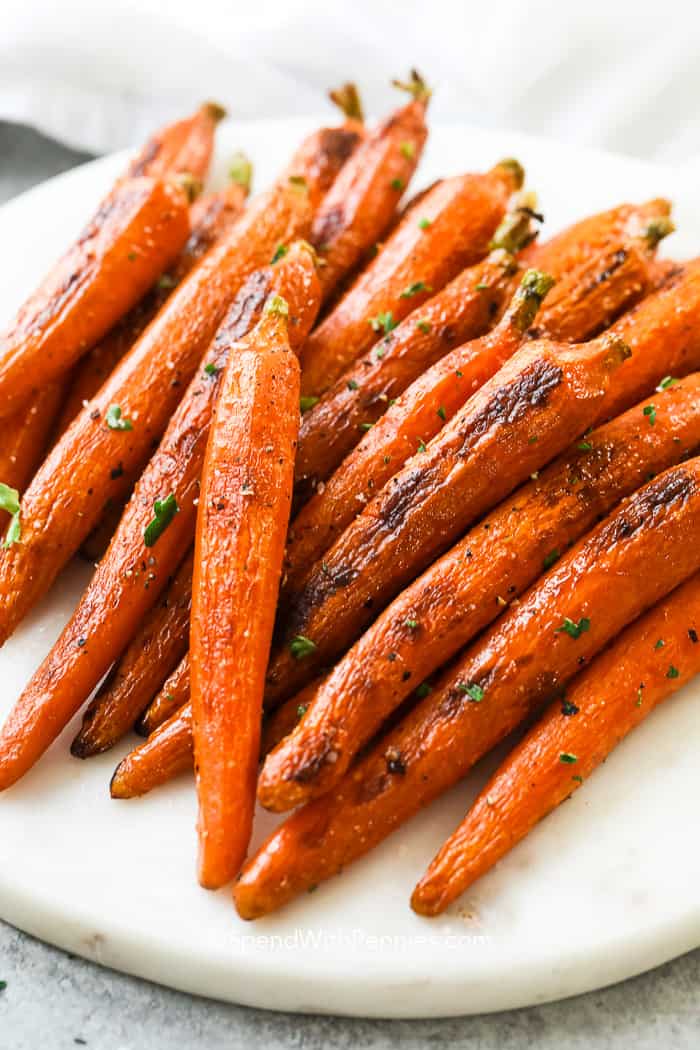
Mastering Roasted Carrots: Easy Recipe & Flavor Variations
Roasted carrots are a true culinary gem, transforming a humble root vegetable into a dish brimming with natural sweetness and tender, caramelized edges. This simple side dish is incredibly versatile, fitting seamlessly into any meal, from an elaborate holiday spread like Easter dinner to a quick and healthy weeknight accompaniment. Forget bland, steamed carrots – roasting unlocks an unparalleled depth of flavor and a delightful texture that will make them a family favorite. If you’ve ever wondered how to achieve that perfect balance of tender interior and beautifully browned exterior, you’ve come to the right place. We'll guide you through the basic recipe and then explore exciting ways to elevate your roasted carrots beyond the ordinary.
Why Roasted Carrots Deserve a Spot on Your Table
The appeal of roasted carrots extends far beyond their delicious taste. For starters, they are incredibly nutritious, packed with vitamins, minerals, and antioxidants. Roasting, in particular, enhances their natural sugars through a process called caramelization, which not only intensifies their sweetness but also contributes to a richer, more complex flavor profile. This cooking method is also remarkably forgiving, requiring minimal hands-on time and delivering consistently excellent results. Whether you're a novice cook or a seasoned chef, mastering roasted carrots is a foundational skill that opens up a world of culinary possibilities. Their inherent versatility allows them to pair beautifully with a wide array of main courses, from roasted chicken and prime rib to simple grilled fish or a hearty vegetarian stew. They offer a comforting earthiness that balances richer dishes and a vibrant sweetness that brightens lighter fare.
The Core Recipe: Simple Perfection (and How to Achieve It)
The beauty of perfectly roasted carrots lies in its simplicity. With just a few basic ingredients and a hot oven, you can create a side dish that outshines more complicated preparations.
Choosing the Best Carrots
The foundation of any great dish begins with quality ingredients. When selecting carrots for roasting, opt for those that are firm, bright in color, and free from blemishes. While any carrot can be roasted, smaller to medium-sized carrots often yield the best results. They tend to be sweeter and cook more evenly than very large ones, which can sometimes be woody in the center. Organic carrots are also a great choice, often having a more pronounced natural sweetness.
Prepping Your Carrots
Once you have your carrots, a good wash is essential. If the skins are thin and clean, you can often skip peeling to retain more nutrients and a slightly rustic texture. However, if they're particularly dirty or have thicker skins, a quick peel is advisable. The next crucial step is cutting. For even cooking and optimal caramelization, aim for pieces of roughly the same size. Quartering medium-sized carrots lengthwise is a popular and effective method. If you're using smaller carrots, simply halve them. Don't worry if the pieces seem a bit large; they will shrink slightly in the oven as moisture evaporates. Consistency in size ensures every piece cooks at the same rate, preventing some from burning while others remain undercooked.
The Essential Trio: Olive Oil, Salt, and Pepper
This is where the magic truly begins. The combination of olive oil, salt, and black pepper is all you truly need to let the carrots' natural flavor shine.
- Olive Oil: A good quality extra virgin olive oil is key. It not only provides a rich, fruity flavor that complements the carrots' sweetness but also helps conduct heat, ensuring even roasting and that coveted golden-brown caramelization. It also prevents sticking to the pan.
- Salt: Essential for seasoning, salt draws out the natural flavors and helps balance the sweetness. A coarse salt like kosher salt works wonderfully for an even coating.
- Black Pepper: Freshly ground black pepper adds a subtle kick and aromatic depth that rounds out the basic seasoning profile.
Toss your prepped carrots generously with olive oil, ensuring every piece is lightly coated. Then, season liberally with salt and pepper.
Roasting for Ideal Texture and Flavor
The oven temperature is paramount for achieving that perfect balance of tender and caramelized. A high temperature, typically 400°F (200°C) to 425°F (220°C), is ideal. This high heat promotes the Maillard reaction, responsible for the delicious browning and complex flavors, and allows the natural sugars to caramelize without turning the carrots mushy.
Spread your seasoned carrots in a single layer on a sturdy baking sheet. This is perhaps the most critical tip for achieving true caramelization:
do not overcrowd the pan. If the pan is too full, the carrots will steam instead of roast, releasing moisture and preventing those desirable browned edges. Give them space to breathe! For optimal contact and browning, you don't need parchment paper or aluminum foil; the direct contact with the hot metal of the baking sheet is beneficial for caramelization.
Roast for approximately 20-30 minutes, or until the carrots are tender when pierced with a fork and exhibit beautiful, lightly browned and slightly crispy edges. Cooking time can vary depending on the size of your carrot pieces and your oven's calibration, so keep an eye on them towards the end.
Elevating Your Roasted Carrots: Flavor Variations Beyond the Basic
While the simple olive oil, salt, and pepper recipe is fantastic on its own, roasted carrots are an excellent canvas for culinary creativity. Once you've mastered the basic technique, feel free to experiment with a myriad of flavor enhancements.
Sweet Variations
To amplify their natural sweetness, consider adding a touch of something extra:
- Honey Glaze: Drizzle a tablespoon or two of honey or maple syrup over the carrots during the last 10-15 minutes of roasting, or toss them with it before roasting. This creates a delightful, sticky-sweet glaze.
- Brown Sugar: A sprinkle of brown sugar will add a rich, molasses-like sweetness that caramelizes beautifully.
- Sweet Spices: A pinch of cinnamon, nutmeg, or allspice can add a warm, cozy dimension, especially appealing for holiday meals.
Savory Variations
If you prefer a more savory profile, these additions work wonders:
- Garlic: Toss in a few minced garlic cloves with the carrots before roasting. The garlic will mellow and become sweet as it cooks.
- Fresh Herbs: Rosemary, thyme, or oregano are classic choices that impart an aromatic, earthy flavor. Add whole sprigs to the pan or chop and toss with the carrots before roasting.
- Spices: Cumin, paprika, or a touch of curry powder can introduce exotic and bold flavors. A sprinkle of red pepper flakes adds a subtle kick for those who enjoy a bit of heat.
- Citrus Zest: A grating of lemon or orange zest after roasting brightens the dish with a burst of fresh, tangy aroma.
Exploring these variations allows you to tailor your
Easy Roasted Carrots: Secrets to Tender, Caramelized Perfection to complement any main course or personal preference.
Finishing Touches
A final flourish can make all the difference. A sprinkle of fresh chopped parsley after roasting adds a vibrant pop of color and a fresh, herbaceous note. A drizzle of balsamic glaze or a squeeze of fresh lemon juice can also add a final layer of complexity.
Expert Tips for Foolproof Roasted Carrots Every Time
To ensure your roasted carrots turn out perfectly every single time, keep these expert tips in mind:
- Don't Overcrowd the Pan: We cannot stress this enough! Giving your carrots space to breathe on the baking sheet is the single most important factor for achieving true caramelization rather than steaming. Use two sheets if necessary.
- High Heat is Key: Roasting at 400-425°F (200-220°C) is essential. This high temperature helps break down the sugars quickly, creating a sweet, crispy exterior while keeping the interior tender. For more on this, check out our guide on how to Unlock Sweetness: High-Heat Roasted Carrots for Any Meal.
- Consistent Piece Size: Uniformly cut carrots ensure even cooking. Smaller pieces cook faster; larger pieces take longer. Adjust cooking time accordingly. Baby carrots, for instance, will require less time – start checking them around 15 minutes.
- Taste and Adjust: Always taste your carrots before serving. You might find they need an extra pinch of salt or pepper, or perhaps a squeeze of lemon to brighten them up.
- Check for Doneness: Carrots are done when they are easily pierced with a fork and have visibly caramelized edges.
- Storage: Leftover roasted carrots can be stored in an airtight container in the refrigerator for up to 6 days. They reheat well in a microwave or, for best texture, briefly in a hot oven.
Roasted carrots are the epitome of simple elegance on a plate. They prove that you don't need complex techniques or exotic ingredients to create something truly delicious. By understanding the fundamentals – good quality carrots, proper cutting, sufficient oil and seasoning, and crucial high-heat roasting without overcrowding – you can consistently produce a side dish that is tender, sweet, and beautifully caramelized. Don't hesitate to experiment with the suggested flavor variations to make this versatile recipe your own. Whether for a special occasion or a casual weeknight, these masterful roasted carrots are guaranteed to impress. Give this recipe a try, and prepare to fall in love with this humble vegetable all over again.