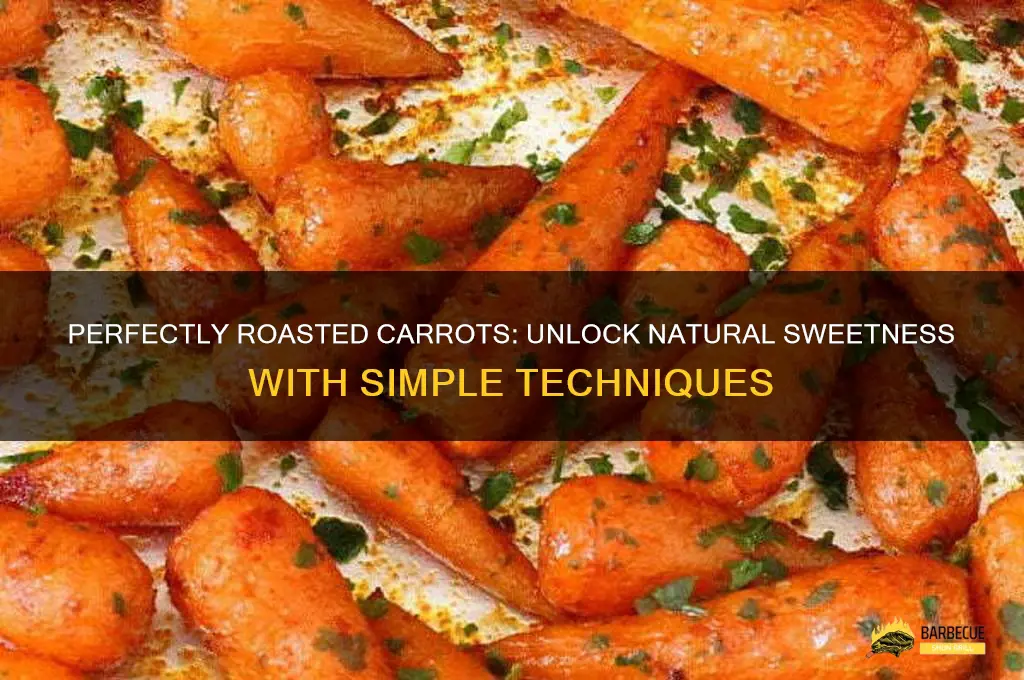
Unlock the Irresistible Charm of High-Heat Roasted Carrots
There's a quiet culinary magic that happens when humble carrots meet the intense embrace of a hot oven. What begins as a simple root vegetable transforms into a dazzling side dish, bursting with natural sweetness and a delightful caramelized texture. Forget bland, boiled carrots; we're talking about roasted carrots that steal the show, perfect for any meal from a festive holiday feast to a busy weeknight dinner.
This article will guide you through the art and science of achieving perfectly tender, intensely flavored, and beautifully caramelized roasted carrots. We'll dive into why high-heat roasting is the secret weapon, how to select and prepare your carrots, essential roasting tips, and a world of flavor variations that will make this versatile side dish a staple in your kitchen.
The Golden Secret: Why High Heat Roasting Reigns Supreme
The key to truly exceptional roasted carrots lies in the high temperatures of your oven, typically between 400°F and 425°F. This intense heat isn't just about cooking the carrots quickly; it's about initiating two crucial chemical reactions that unlock their peak deliciousness:
- Caramelization: The natural sugars within the carrots undergo a process called caramelization. This is where the sugars break down and create new, complex flavors, resulting in that irresistible golden-brown crust and a deeper, more profound sweetness.
- Maillard Reaction: Simultaneously, the Maillard reaction (the same process that browns toast or sears a steak) contributes to the savory, complex flavors and the appealing aroma.
Unlike steaming or boiling, which can leach out nutrients and dilute flavor, high-heat roasting concentrates the carrots' natural essence. The exterior crisps up beautifully, offering a satisfying bite, while the interior becomes incredibly tender and almost creamy. This method also allows for minimal ingredients – often just olive oil, salt, and pepper – to let the inherent sweetness of the carrots truly shine through. It’s a testament to how simple techniques can yield extraordinary results, turning a basic vegetable into a star side.
Selecting and Prepping Your Carrots for Roasting Success
The journey to perfect roasted carrots begins even before they hit the oven. Thoughtful selection and preparation lay the groundwork for a truly delicious outcome.
Choosing the Best Carrots
When you're at the grocery store or farmer's market, pay attention to the size and freshness of your carrots:
- Size Matters: Opt for smaller to medium-sized carrots. These tend to be sweeter and more tender than their larger, often woodier counterparts. While large carrots can work, they might require longer cooking times and may not have the same concentrated sweetness.
- Freshness: Look for firm, brightly colored carrots with smooth skins. Avoid any that are limp, cracked, or show signs of sprouting. If buying whole carrots with greens attached, the greens should look vibrant and fresh.
- Variety: Don't shy away from rainbow carrots! Purple, yellow, and white varieties can add visual appeal and subtle flavor differences to your dish, though the roasting principles remain the same. Baby carrots, while convenient, can sometimes be less sweet than whole carrots, but they are a perfectly acceptable (and quick-cooking) alternative.
Prepping for Perfection
Once you have your ideal carrots, a little prep work goes a long way:
- Wash Thoroughly: Rinse your carrots under cold running water to remove any dirt. A vegetable brush can be helpful, especially for garden-fresh carrots.
- To Peel or Not to Peel: For new, tender carrots with thin skins, peeling is often optional. The skin is packed with nutrients and adds a rustic charm. However, for older, thicker-skinned carrots, or if you prefer a smoother texture, a quick peel with a vegetable peeler is recommended.
- Consistent Cutting: This is perhaps the most crucial step for even roasting. For medium carrots, quartering them lengthwise is ideal. If you have very long carrots, you can cut them in half crosswise first, then quarter each piece. Aim for pieces that are roughly the same size and thickness. Don't worry if the pieces seem a bit chunky; they will shrink and soften considerably in the oven. For baby carrots, simply halve them lengthwise or leave them whole, depending on their size.
- Oil and Season Liberally: Toss your prepared carrots with a generous amount of good quality olive oil. Olive oil is key here; its richness not only adds flavor but also facilitates the caramelization process, helping the carrots turn golden and tender. For basic seasoning, a sprinkle of sea salt and freshly ground black pepper is all you need to let the carrots' natural sweetness shine. This foundational approach can always be built upon with other spices.
The Art of Roasting: Temperature, Time, and Tips for Perfection
Now that your carrots are prepped, it's time for the oven. Mastering the roasting process is straightforward with a few key techniques.
Optimal Oven Temperature and Time
The consensus among culinary experts is that high heat is non-negotiable for achieving truly exceptional roasted carrots. Set your oven to:
- 400°F (200°C) to 425°F (220°C): This temperature range is ideal for promoting rapid caramelization and ensuring the carrots cook through without becoming mushy.
Cooking time will vary slightly depending on the size and thickness of your carrot pieces, but a good general guideline is:
- 20 to 30 minutes: Start checking around the 20-minute mark. The carrots are done when they are tender enough to be easily pierced with a fork and display beautiful golden-brown, caramelized edges. If using smaller baby carrots, they might be ready in as little as 15 minutes, so keep a close eye on them.
To ensure even cooking and maximum caramelization, it's a good practice to give the carrots a toss or flip them halfway through the roasting process.
Crucial Tips for Maximum Caramelization
Achieving that coveted tender-crisp texture and deep caramelization requires adherence to a few golden rules:
- Do NOT Overcrowd the Pan: This is arguably the most critical tip. If you pile too many carrots onto a single baking sheet, they will steam instead of roast. The moisture released from the vegetables will get trapped, preventing browning and resulting in soft, pale carrots. Use two baking sheets if necessary, arranging the carrots in a single, even layer with plenty of space around each piece.
- Use a Sturdy Baking Sheet: A heavy-duty, light-colored baking sheet works best. Unlike parchment paper or aluminum foil, direct contact with the hot metal surface of the baking sheet is essential for developing those delicious caramelized crusts. The heat transfer from the pan to the vegetable is what makes the magic happen.
- Don't Skimp on Oil: As mentioned, olive oil is your friend. It conducts heat, prevents sticking, and significantly aids in browning and flavor development.
- Preheat the Pan (Optional, but Recommended): For an extra boost of browning, you can place your empty baking sheet in the oven while it preheats. Carefully add the oiled and seasoned carrots to the hot pan; the immediate sizzle helps create a fantastic crust.
By following these secrets to tender, caramelized perfection, you'll consistently produce easy roasted carrots that are a cut above the rest.
Beyond Basic: Flavor Adventures with Roasted Carrots
While salt, pepper, and olive oil are a perfect foundation, roasted carrots are incredibly versatile and welcome a myriad of flavor enhancements. Think of your basic recipe as a canvas ready for your culinary brushstrokes. Here are some ideas to inspire you:
- Sweet Glazes: For a sweeter profile, a drizzle of honey, maple syrup, or a sprinkle of brown sugar tossed with the carrots before roasting creates "honey roasted carrots" or a delightful glaze. A touch of balsamic glaze added at the very end can also provide a sweet-tangy finish.
- Herbal Freshness: Fresh herbs are fantastic additions. Toss with finely chopped rosemary or thyme before roasting for an earthy aroma. A sprinkle of fresh parsley, dill, or chives after roasting adds a vibrant green color and a burst of fresh flavor.
- Spicy Kicks: If you crave a little heat, a pinch of red pepper flakes or a dash of cayenne pepper can be added to the seasoning mix. Smoked paprika offers a lovely depth and subtle smokiness without too much heat.
- Aromatic Boosts: Garlic powder, onion powder, or even a few whole garlic cloves tucked among the carrots during roasting infuse them with savory aromatics. Cumin, coriander, or a pinch of curry powder can transport your carrots to a more exotic flavor profile.
- Citrus Brightness: A squeeze of fresh lemon or orange juice immediately after the carrots come out of the oven can brighten their flavor, adding a zesty counterpoint to their sweetness. A little lemon zest can also be delightful.
Experimentation is encouraged! Whether you prefer sweet, savory, spicy, or herbaceous, mastering roasted carrots means exploring these endless flavor variations to suit your palate and complement your main dish.
Serving Suggestions and Storage Tips
The beauty of roasted carrots lies not only in their deliciousness but also in their incredible versatility. They can grace any table, any time.
Perfect Pairings
These flavorful carrots make an excellent accompaniment to a wide array of main courses:
- Holiday Feasts: They are a natural fit for classic holiday dinners, alongside roast turkey, prime rib, glazed ham, or roast chicken. Their vibrant color and sweet-savory profile make them a festive addition.
- Hearty Mains: Pair them with roasted pork tenderloin, grilled steak, lamb chops, or even a simple baked fish for a balanced and satisfying meal.
- Weeknight Wonders: Elevated enough for special occasions yet simple enough for everyday, they're perfect with a quick pan-seared chicken breast or a vegetarian lentil loaf.
- Beyond the Plate: Don't limit them to just a side dish! Leftover roasted carrots can be chopped and added to salads, grain bowls, frittatas, or pureed into a comforting soup.
Storing Leftovers
If you happen to have any leftovers (a rare occurrence with these delicious carrots!):
- Refrigeration: Store them in an airtight container in the refrigerator for up to 6 days.
- Reheating: For the best texture, reheat them in a preheated oven (around 350°F/175°C) for about 10-15 minutes until warmed through and slightly crisp again. A microwave will heat them, but they may lose some of their crispness.
Embrace the Sweetness: Your New Favorite Side
From their humble beginnings to their final, golden-brown glory, high-heat roasted carrots are a testament to the power of simple ingredients and smart cooking techniques. By understanding the principles of proper selection, preparation, and high-temperature roasting, you can consistently create a side dish that is not only packed with flavor and nutrition but also irresistibly satisfying. Whether you keep it classic with just salt and pepper or venture into exciting flavor variations, these tender, caramelized carrots are destined to become a beloved staple in your culinary repertoire, proving that sometimes, the simplest dishes are truly the sweetest.
